
DSM Radon Lab
Frequently Asked Questions
Answers to common questions about radon, timing, and what to expect from testing.
What is Radon?
Radon is a naturally occurring radioactive gas that forms from the breakdown of uranium in soil and rock. It can enter homes naturally from the surrounding soil and build up indoors over time. Radon cannot be seen, smelled, or tasted without testing. Standard home air filters and air purifiers, including HEPA filters, do not eliminate radon.
Radon levels are measured in pCi/L (picocuries per liter), the standard unit used to measure radon in the air.
Iowa has the highest average indoor radon levels in the country. Elevated levels can be found in homes of any age, location, or foundation type.
How Does Radon Enter My Home?
As warm air rises inside a house, it creates a slight vacuum that draws radon gas from the soil through openings in the foundation.

Radon can enter through cracks in concrete floors and walls, gaps around pipes, sump pits, floor drains, crawl spaces, and other small openings. Every home is different. The EPA recommends testing all homes, regardless of age, foundation type, or location.
What Radon Level Is Considered High?
The EPA recommends considering mitigation when radon levels are at or above 4.0 pCi/L. Even lower levels may still carry some risk, and long-term testing may be recommended in some situations.

Radon levels can vary due to weather, seasons, ventilation, occupancy, and other factors. A test reflects a baseline "snapshot" of conditions during the testing period. Whether you are above or below the EPA threshold, no level of radon exposure is considered completely risk-free.
Why Should I Test My Home?
Radon is the second leading cause of lung cancer nationwide and is common throughout Iowa and the Midwest. The EPA recommends testing all homes, regardless of age, foundation type, or location.
According to the Iowa Radon Survey, nearly 72% of Iowa homes tested above the EPA action level of 4.0 pCi/L.
What Happens If My Result Is High?
A high radon result does not mean you need to leave your home or that there is an immediate health emergency. If your result is above the EPA action level of 4.0 pCi/L, mitigation is generally recommended. Most homes can be successfully mitigated, with radon levels often reduced by 80–99%.
If your result is near the EPA action level, a long-term test can provide additional information before deciding whether a significant investment in mitigation is necessary. Because radon levels naturally fluctuate over time, we offer long-term testing to provide a clear picture of your home’s average radon level over an extended period.
Why Does Independent Radon Testing Matter?
Radon testing is a specialized service. Some companies offer radon testing alongside many other services, while our sole focus is accurate radon measurement.
We don't install mitigation systems or recommend one contractor over another. You'll receive independent, unbiased test results—without a sales pitch—so you can make informed decisions about your home and health.
Our procedures, equipment, reporting, and customer support are all designed around one goal: to provide reliable results, clear reporting, and the support you need to understand them.
How Much Does Radon Testing Cost?
We keep pricing simple: $149 flat-rate radon testing throughout the Des Moines metro. No hidden fees, no upsells, and no upfront payment required to book.
Can I use HSA or FSA funds? Depending on your plan, health-related environmental testing may be eligible for reimbursement through an HSA, FSA, or HRA. We recommend checking with your plan administrator to determine your eligibility.
How Long Does It Take To Get Results?
For most homes, the entire process from placement to report is completed in three days or less. Most clients receive their full report within 24 hours of equipment retrieval, with preliminary results available at pickup.
For time-sensitive transactions, the Real Estate Priority Package includes expedited report delivery within 4 hours of monitor retrieval, a signed declaration documenting licensing and calibration information, and access to priority scheduling options.
How Does the Testing Process Work?
We place professional radon testing equipment in the lowest livable area of the house, typically for a 48-hour testing period while maintaining closed house conditions. After the test is complete, we arrange a time to retrieve the equipment and provide your results and recommendations.
What Are Closed House Conditions?
Closed house conditions are required for most short-term radon tests to ensure accurate results:
- Keep windows closed
- Use exterior doors only for normal entry and exit
- Keep your heating and cooling system operating normally
- Use portable, circulation, and ceiling fans normally
- Do not use whole-house ventilation systems or attic fans
- Do not use fireplaces or wood-burning stoves
These conditions should begin at least 12 hours before testing and remain in place throughout the testing period.
What Equipment Do You Use?
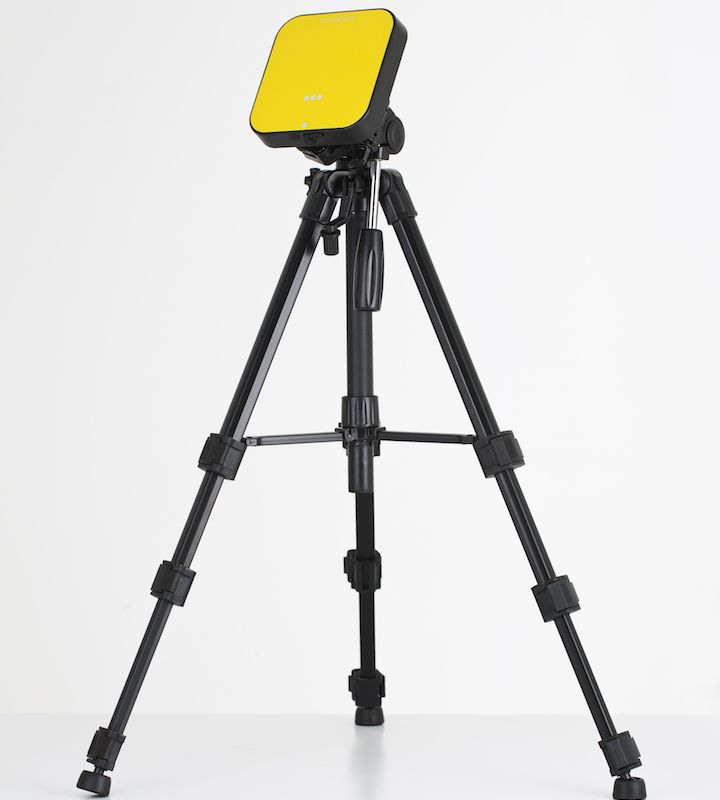
DSM Radon Lab is licensed to use specialized, highly sensitive radon measurement equipment designed specifically for professional testing.
Our machines are roughly 6x6 inches in size, operate silently, and sit on a tripod, taking up a small amount of space.
What Areas Do You Serve?
We serve Central Iowa and the entire Des Moines Metro, including Des Moines, West Des Moines, Ankeny, Altoona, Clive, Grimes, Johnston, Norwalk, Pleasant Hill, Urbandale and Waukee.
Do You Install Mitigation Systems?
No, DSM Radon Lab focuses on independent radon testing only. We do not install mitigation systems or sell mitigation services. We do not endorse or have any affiliation with any mitigation company, but can provide a list of local reputable installers.
Do You Perform Post-Mitigation Testing?
Yes. We perform post-mitigation testing to verify that a radon mitigation system is effectively reducing radon levels after installation. This independent confirmation helps ensure new and existing mitigation systems are performing as intended and provides peace of mind for homeowners, buyers, and sellers.
Because DSM Radon Lab focuses exclusively on independent radon testing and does not install mitigation systems, our results are unbiased and based solely on accurate measurement.
Where Can I Learn More About Radon?
If you’d like to learn more about radon, there are several excellent resources available online. We recommend starting with the Iowa Department of Health and Human Services and the American Lung Association’s Iowa Radon Program, which provide information specific to Iowa, including testing guidance, mitigation information, and DIY test kits.
The U.S. Environmental Protection Agency (EPA) also publishes several free homeowner guides that are widely referenced throughout the radon industry:
-
A Citizen’s Guide to Radon
An introduction to radon, health risks, testing, and understanding your results.
-
Consumer’s Guide to Radon Reduction
Explains how radon mitigation systems work, what to expect, and how to choose a qualified contractor.
-
Home Buyer’s and Seller’s Guide to Radon
Covers radon testing during real estate transactions and answers common questions for buyers and sellers.
These are trusted, unbiased resources developed by public health organizations. Whether you’re just beginning to learn about radon or researching your next steps after receiving a test result, they’re an excellent place to start.
Can I test my home myself?
Absolutely. If you'd rather test your home yourself, Iowa offers radon education resources and free or low-cost radon test kits through the You can also order a kit through the
DIY testing kits are a more affordable option, though it typically takes several weeks from the time you order a kit until you receive your results. Our professional testing typically provides results within 48 hours and includes a detailed report, clear guidance on what your results mean, and answers to any questions you may have.
Whether you choose a DIY test or trust us to test your home, our goal is the same: helping Iowa homeowners make informed decisions about radon and their family's health.